02 · The silent challenge
Paratyphoid Salmonellas: the risk you cannot see.
They can circulate through poultry production without causing visible disease, yet they are a real risk to food safety and to the whole supply chain.
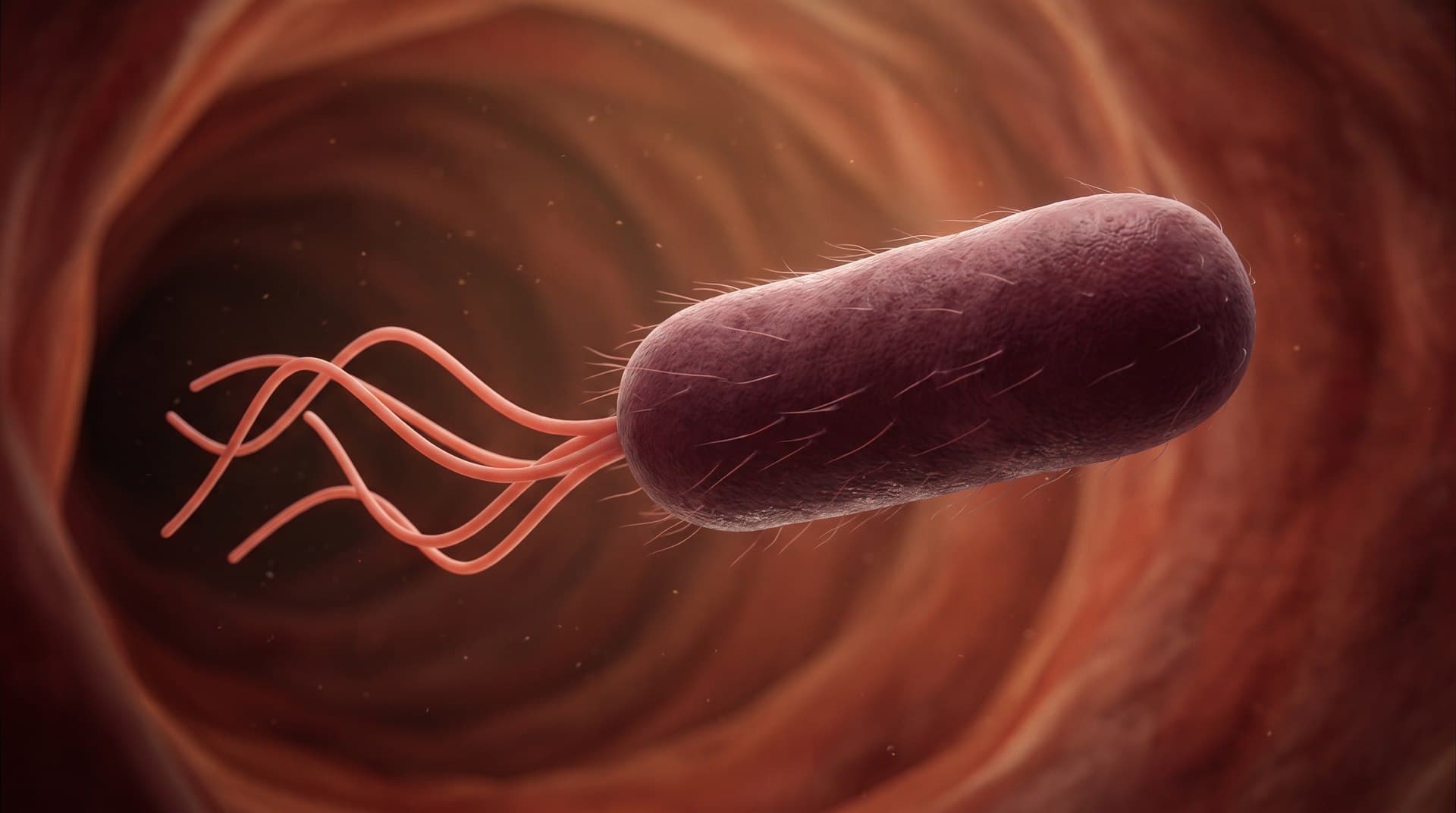
An adaptable enemy.
We cut it open to see how it is built.
An adaptable enemy.
Paratyphoid Salmonellas span many serotypes able to persist, spread, and defeat control programmes.
Paratyphoid: what defines them
- More than 2,000 serotypesEnteritidis, Heidelberg, Infantis, Typhimurium, and more.
- MotileThey spread easily, inside the farm and beyond it.
- Gut colonisation and systemic infectionThey hit the gut and can spread to the rest of the body.
- They lodge in the caeca and invade the reproductive tractThey hide in the places that matter, which makes them hard to clear and control.
Zoonosis
They can pass from birds to people through the food chain.
How they operate inside poultry production
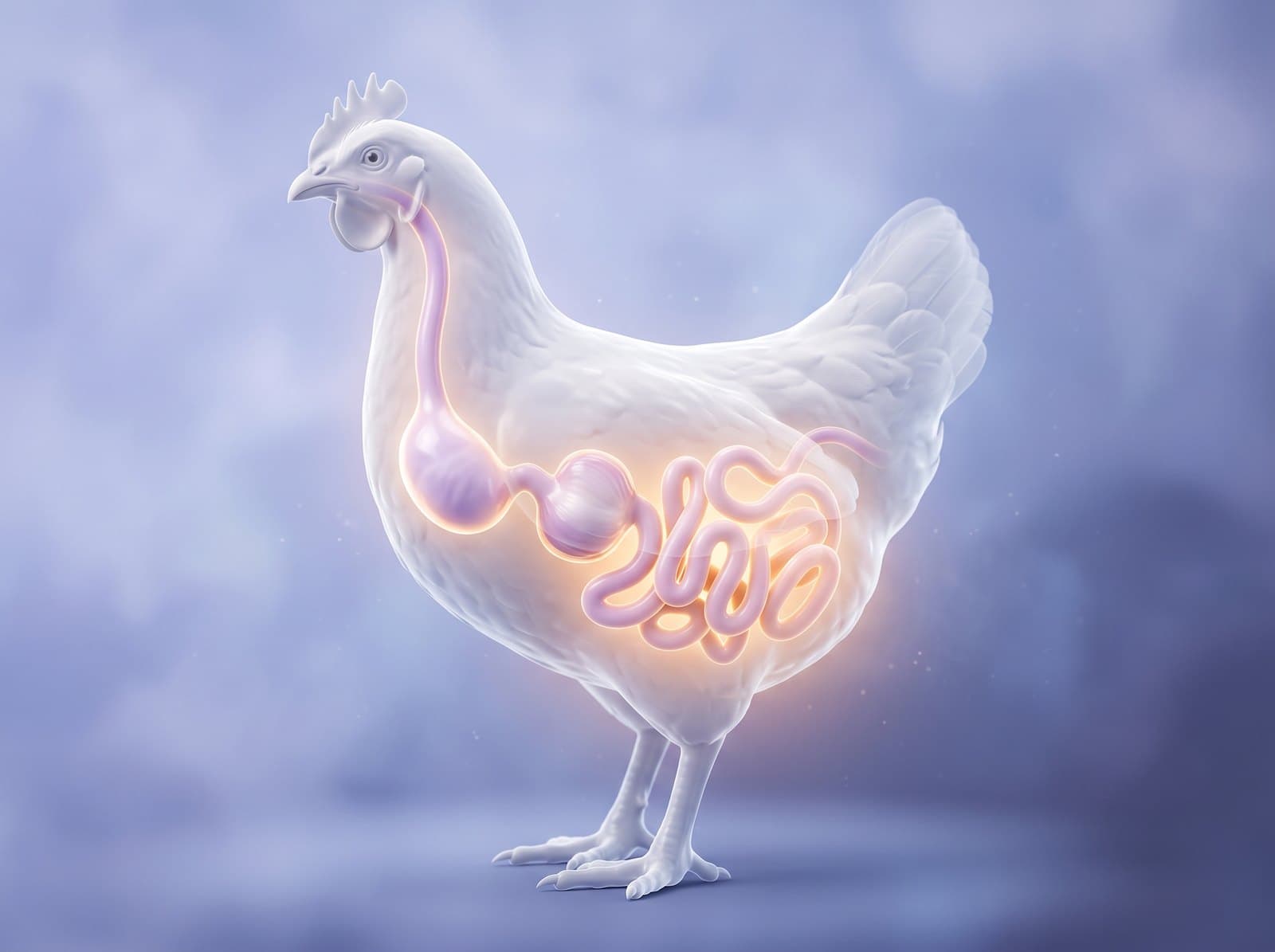
01
It enters through the mucosa
95% of pathogens get in through the mucosa — the main door.
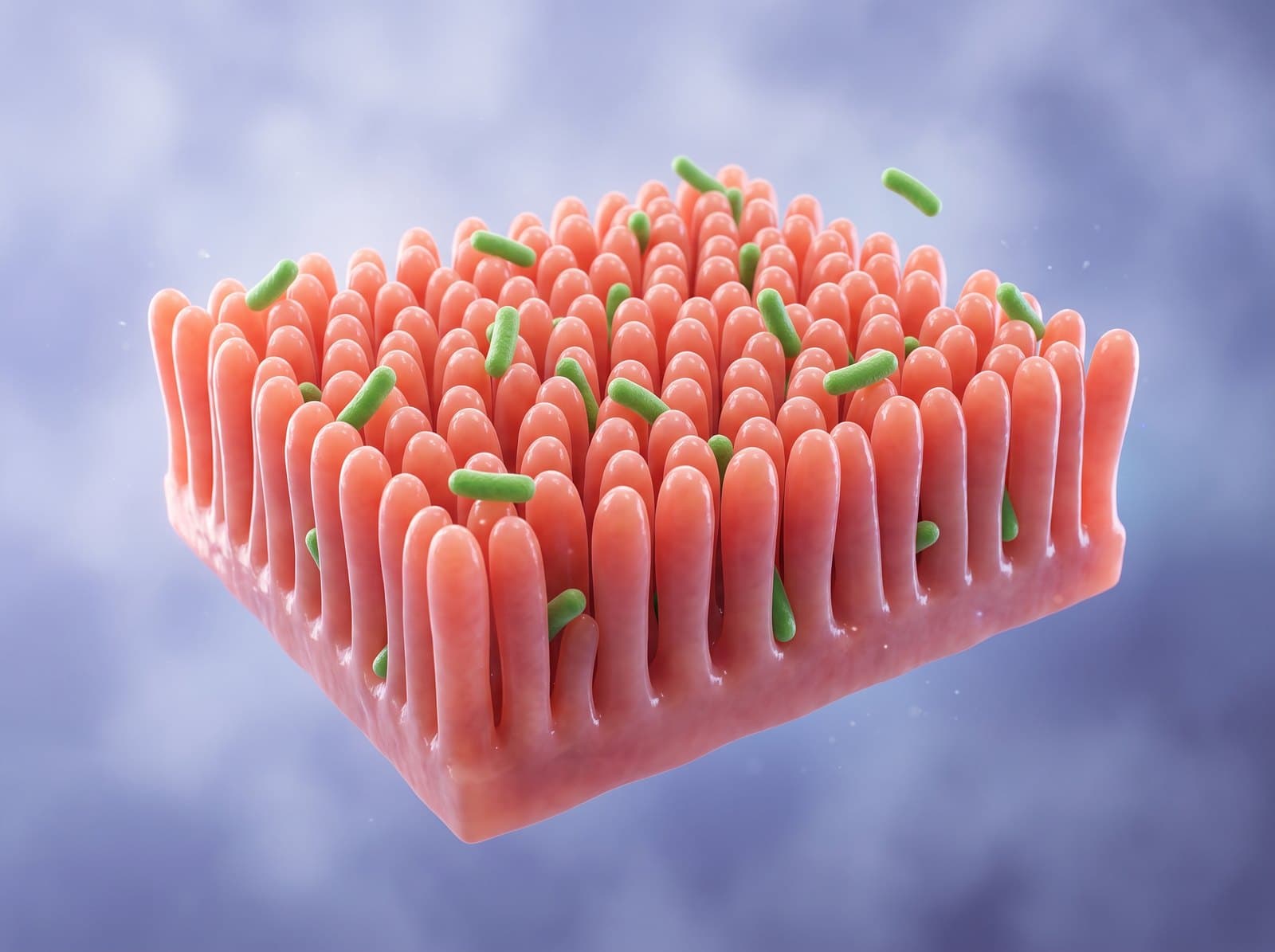
02
It colonises before any symptom
It settles into the birds' tract before the problem is visible or measurable.
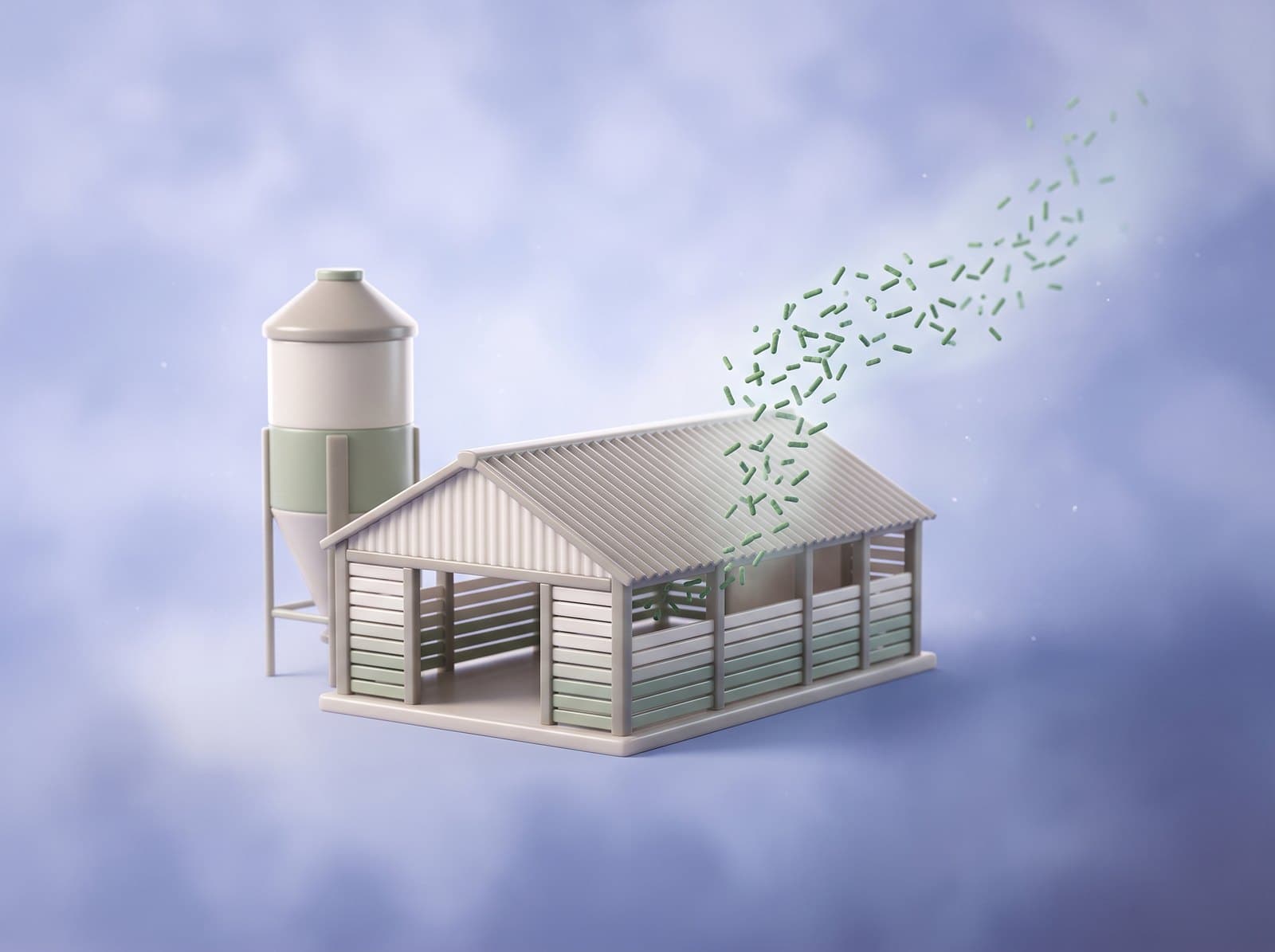
03
It contaminates the environment
Shedding spreads the pathogen across the farm and into the final product.
04
A wide range of serotypes
Paratyphoid Salmonellas from groups B, C, D and L (ST, SH, SE, SI).
Silent, persistent and versatile.A challenge that calls for a different kind of strategy.